
The Library Media — National & World · World Desk
EU Approves Its Largest-Ever Ukraine Facility Payment — Just Under €8 Billion, Tied to More Than 20 Reform Steps
By Maya Wilson
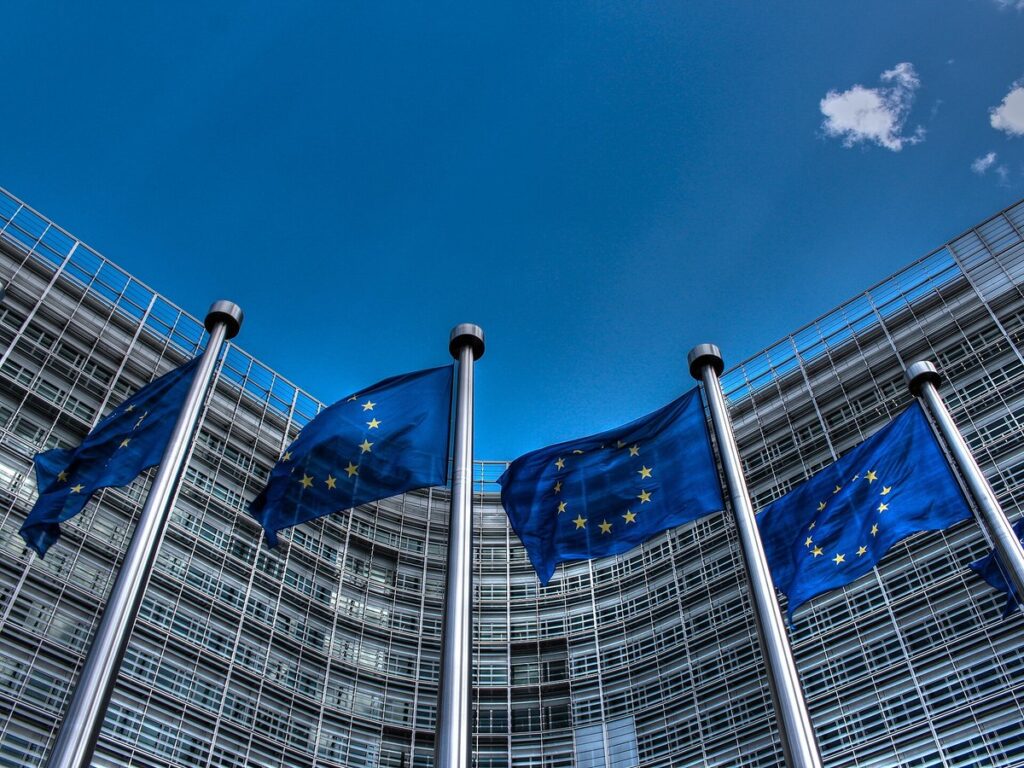
Photo: Thijs ter Haar / Wikimedia Commons (CC BY 2.0)
The Council of the European Union on Monday approved a decision clearing the way for Ukraine to receive just under €8 billion under the EU’s Ukraine Facility in the near future, the largest single disbursement to Kyiv under the programme to date. The payment is linked to Ukraine’s completion of more than 20 reform targets spanning the judiciary, anti-corruption policy, financial markets, energy and other areas, according to the Council decision reported by Ukrinform.
About €5 billion of the approved amount comes from resources made available through the Ukraine Support Loan in 2026. The Council described the overall payment as the largest-ever single EU disbursement to Ukraine under the Ukraine Facility. It is the programme’s ninth disbursement under the Ukraine Plan, bringing the total Ukraine has received through that plan since mid-2024 to more than €40 billion.
The decision reflects the EU’s approach of tying financial support to reform commitments as Ukraine pursues recovery and modernisation while seeking membership of the bloc. The targets fulfilled for this payment cover more than 20 steps across a broad range of policy areas: the judicial system; anti-corruption and anti-money-laundering measures; financial markets; public-asset management; human capital; the business environment; decentralisation and regional policy; energy; agri-food; digital transformation; and environmental protection.
Payments under the facility are tied to the Ukraine Plan, Kyiv’s strategy for recovery and modernisation, which is aligned with the country’s EU accession goals. The conditions are intended to connect the flow of European funding with institutional and economic changes, rather than provide support without reform benchmarks.
The Ukraine Facility was launched on March 1, 2024, and provides more than €50 billion in grants and loans through 2027. More than €40 billion of that total is earmarked for reforms and investments under the Ukraine Plan. The latest decision therefore represents a major instalment within a longer funding arrangement, rather than a separate new programme.
President Volodymyr Zelenskyy welcomed the decision and thanked the European Commission, the Council and Commission President Ursula von der Leyen. He pointed to Ukraine’s growing budget needs ahead of winter, as well as intensified Russian attacks on energy, heating, water and other critical infrastructure. The timing gives the payment significance beyond the reform process: Kyiv is preparing for another winter in which damage to essential services and the cost of maintaining public functions place additional demands on government resources.
Zelenskyy also argued that Ukraine’s progress on reforms should be reflected in movement on its EU accession path. He said the work completed should support the opening of the two remaining negotiating clusters. The request links the financial and political sides of the relationship: Kyiv is meeting conditions attached to European assistance while pressing the bloc to advance the membership process.
European Commissioner for Enlargement Marta Kos said Ukraine was demonstrating strong commitment to reforms, particularly in the area of the rule of law. She said the remaining negotiating clusters should be opened in December. That timetable would represent a further step in accession negotiations, although the opening of clusters remains a separate decision from the approval of the Ukraine Facility payment.
The funding arrives as Russian attacks continue to place pressure on Ukraine’s infrastructure and public finances. The Library Media’s recent reporting on the latest drone and missile strikes — in S-619 and S-620 — has documented the continuing threat to cities, industrial sites and energy facilities. Those reports provide the immediate security context for Zelenskyy’s reference to winter needs and attacks on essential services; their casualty figures are not new developments in this funding decision.
The Council’s approval does not mean that the money has already arrived in Kyiv. Its decision allows the just-under-€8 billion payment to be made in the near future, following the assessment of Ukraine’s fulfilment of the required targets. The disbursement will add to the more than €40 billion already received under the Ukraine Plan and sustain a funding framework that connects EU support with reform implementation.
For Ukraine, the decision brings substantial additional resources at a time of heightened infrastructure and budget pressures. For the EU, it demonstrates the scale of its financial commitment while maintaining the conditions attached to the recovery and modernisation programme. The next milestones will include the actual transfer of the funds and the separate political decision on opening the remaining accession negotiating clusters.
Maya Wilson
World Desk Lead, The Library Media
From The Library — the estate of our family.
Follow Us


