
The Library Media — Sports · Formula One
Formula 1 Agrees to Replace Current Power Units With V8 Turbo-Hybrids in 2030
By Megan McCarthy
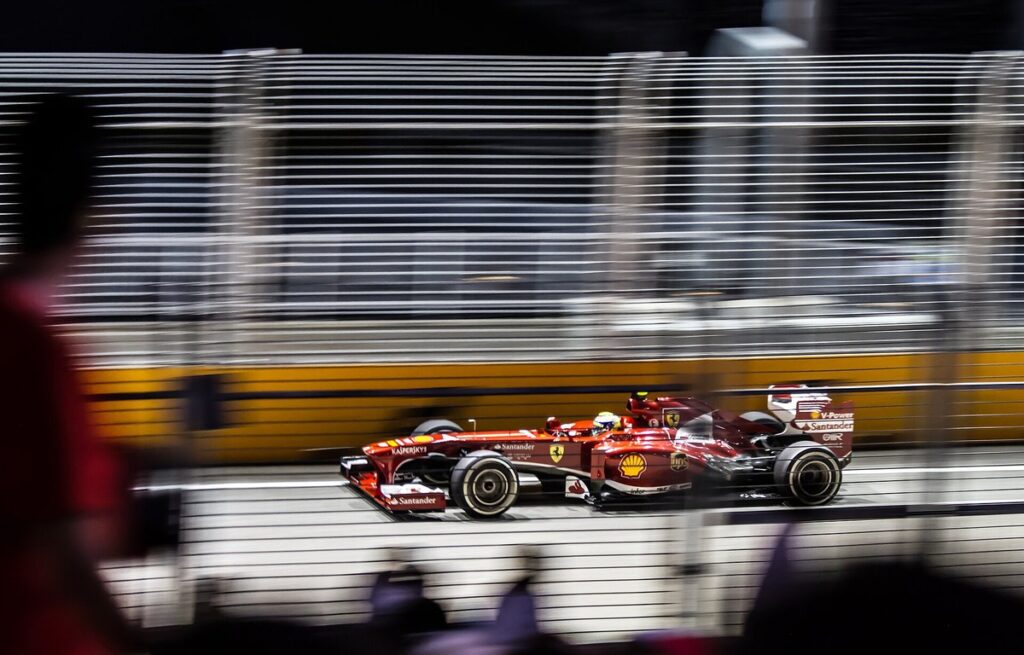
Photo: Benjamin Goetzinger / Wikimedia Commons (CC BY-SA 4.0)
Formula 1’s governing body, commercial leadership, teams and power-unit manufacturers have reached a unanimous agreement to introduce V8 turbo-hybrid engines in 2030, replacing the current engine regulations after four seasons.
The agreement was discussed at a meeting involving the FIA, manufacturers and Formula 1 in London on Friday, according to ESPN F1’s Laurence Edmondson. The proposed engines will be 2.1-litre turbocharged V8s, designed to be lighter, less complex and more cost-effective than the current power units.
The FIA confirmed that hybrid technology will remain part of the new formula, although its contribution will be reduced. The engines will run on sustainable fuel, while battery output and its share of total engine power will decrease as the V8’s contribution increases. Fuel consumption is also expected to fall substantially. The FIA described the anticipated engine sound as one that resonates with fans.
The governing body did not provide a rev limit, a specific power output or an exact hybrid-power percentage for the 2030 regulations.
The change will bring the current 1.6-litre V6 turbo-hybrid regulations, introduced in 2026, to an end one season earlier than originally planned. Under the present formula, nearly 50% of peak power comes from the battery. As an interim measure, Formula 1 plans to shift the existing 50-50 balance between electrical and internal-combustion power to a 60-40 split in favor of combustion engines by 2028.
The current regulations were developed partly to attract new manufacturers to the championship. Audi joined Formula 1 in 2026, Honda returned, and Cadillac entered as a new team with its own power-unit department.
However, the emphasis on electrical power has generated criticism over how drivers must manage energy during races. Rather than consistently pushing at the limit, drivers have been required to manage battery deployment around a lap.
Max Verstappen described the regulations as “anti-racing” when they were introduced. Fernando Alonso later called the 2026 rules a “battery world championship” following the second race of the season in China. By the fourth round in Miami, Formula 1 had agreed to adjustments intended to limit unusual behavior from the hybrid systems.
V8 engines were last used in Formula 1 in 2013, when they operated with a mild hybrid boost through the Kinetic Energy Recovery System, or KERS. The turbocharged V8s planned for 2030 are not expected to reproduce the volume or high-pitched sound of those earlier naturally aspirated engines.
FIA President Mohammed Ben Sulayem said the return of V8 engines represented an opportunity to reconnect with the championship’s DNA while maintaining its commitment to sustainable fuels and advanced technology. He also thanked the parties involved for their collaboration in reaching the agreement.
The agreement is not yet final regulatory approval. The proposed rules will first go to a vote at the FIA World Motor Sport Council meeting in Shanghai next month. If approved, they will subsequently be submitted to the F1 Commission for another vote at a later date.
No specific dates for either subsequent stage have been announced. No team principals were quoted reacting to the agreement in the ESPN F1 report.
Megan McCarthy
Formula One, The Library Media
From The Library — the estate of our family.
Follow Us


