
The Library Media — National & World · National Desk
Federal Judge Strikes Down Trump Visa Limits on Foreign Students and Journalists
By Eleanor Ever Loyal
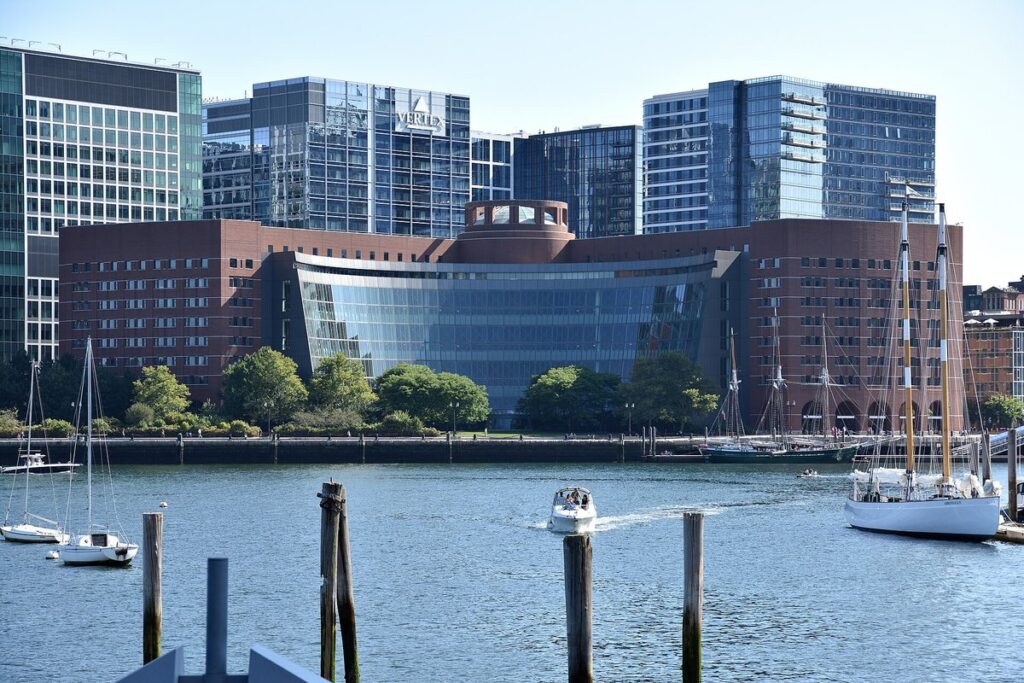
Photo: 4300streetcar / Wikimedia Commons (CC BY 4.0)
A federal judge in Massachusetts on Monday struck down in full a Trump administration rule that would have imposed fixed time limits on international students, exchange visitors and foreign journalists staying in the United States, ruling that the Department of Homeland Security had exceeded its authority and failed to adequately justify the changes.
U.S. District Judge F. Dennis Saylor IV granted summary judgment to a coalition of education, labor and press organizations in Presidents’ Alliance on Higher Education and Immigration v. Department of Homeland Security, No. 1:26-cv-13799. He denied the government’s motion for summary judgment and set aside the DHS final rule in its entirety.
The judge found the rule arbitrary and capricious under the Administrative Procedure Act, concluding that DHS had failed to appropriately weigh its costs and benefits, justify the changes on its stated grounds of fraud prevention and national security, consider less burdensome alternatives, or adequately respond to significant public comments. The alternatives included improving the existing Student and Exchange Visitor Information System, known as SEVIS.
Saylor described the policy as “arbitrary, capricious, an abuse of discretion, and otherwise not in accordance with law.”
The court also found that the restrictions on academic studies exceeded DHS’s statutory authority. “The statute simply does not grant DHS such broad and open-ended authority to undermine the F-1 visa program,” the judge wrote.
The rule would have ended the longstanding “duration of status” framework for three visa categories: F visas for international students, J visas for exchange visitors and I visas for representatives of foreign media. Under the existing framework, students and exchange visitors can remain in the country for the length of their academic or exchange programs.
DHS’s replacement would have limited admissions to fixed periods of no more than four years. Those who needed additional time would have had to apply for extensions of stay. The rule also would have restricted students’ ability to change educational objectives, transfer institutions or pursue additional programs of study.
Foreign journalists would have faced separate limits. The rule would have restricted their stays to 240 days at a time, down from periods of up to five years. Journalists from China would have been limited to 90 days.
DHS published the final rule in July 2026, with an effective date in September. One day before it was scheduled to take effect, the same court postponed implementation under Section 705 of the Administrative Procedure Act. The administration appealed that postponement. Monday’s decision is different: it is a final judgment on the merits, setting aside the rule rather than temporarily delaying its implementation.
The lawsuit was filed on August 18, 2026, by NAFSA: Association of International Educators; the Presidents’ Alliance on Higher Education and Immigration; the Association of Independent Colleges and Universities in Massachusetts; the American Federation of Teachers; Graduate Labor Organization, AFT Local 6516; the UAW; UAW Local 2322; and The NewsGuild-CWA. The coalition was represented by Paul Hughes of McDermott Will & Schulte.
In a statement released Monday, NewsGuild-CWA President Jon Schleuss said international journalists had been waiting anxiously for the decision and welcomed the ruling, describing a free press as essential to protecting democracy. Presidents’ Alliance President and CEO Miriam Feldblum called it “a clear and important victory” for international students, scholars and the institutions that welcome them. NAFSA Executive Director and CEO Fanta Aw said the judge had sent an “unequivocal and resounding message” that the longstanding duration-of-status policy was retained.
The ruling came on the same day that new survey data from the Institute of International Education showed international enrollment at U.S. campuses had fallen 9 percent this fall compared with the previous year.
DHS and the administration had not publicly responded to Monday’s ruling as of publication. An appeal is expected by the plaintiffs and observers, but none had been announced.
Eleanor Ever Loyal
National Desk, The Library Media
From The Library — the estate of our family.
Follow Us


