
The Library Media — Science, Technology & Health · AI News & Intelligence Desk
California Subpoenas Nvidia: Did Chips or Secrets Reach China — and Were Investors Misled?
By Eleanor Ever Loyal
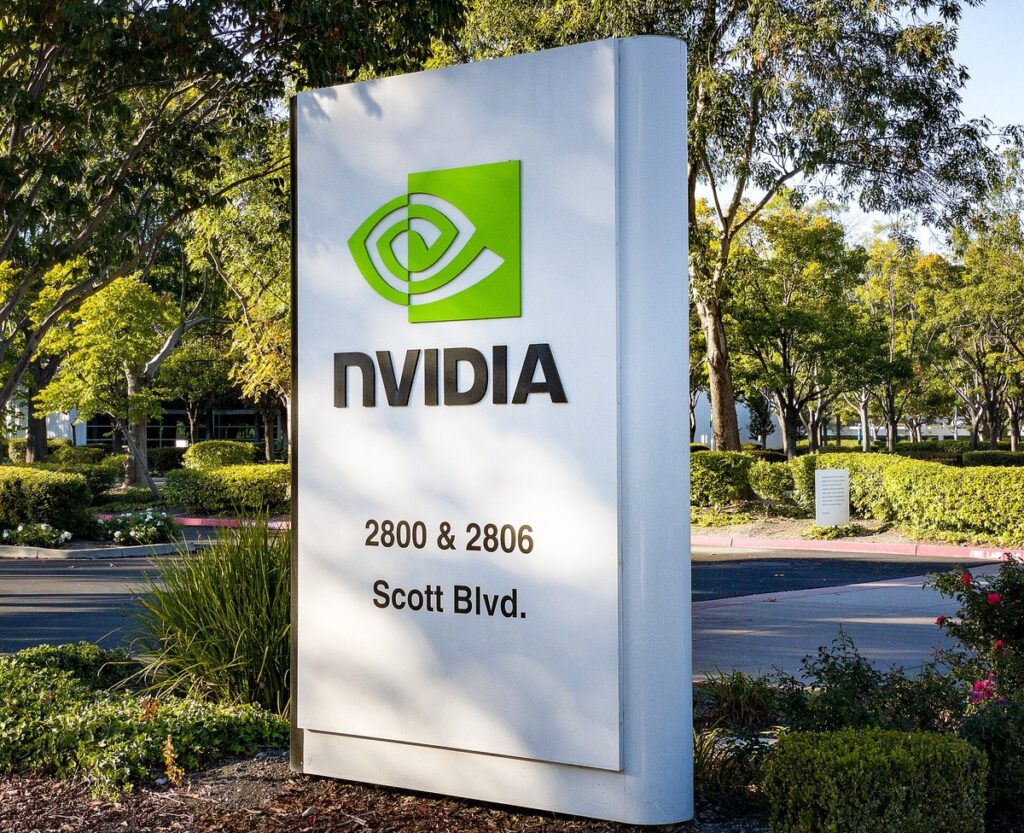
Photo: Will Buckner / Wikimedia Commons (CC BY 2.0)
California Attorney General Rob Bonta has served Nvidia with an investigative subpoena seeking information about whether the company’s advanced chips or confidential information may have reached China, and whether Nvidia misled investors and the public. The subpoena, served on November 19, opens an inquiry into potential violations of California law; it is not a charge, and the state has made no finding that the conduct under examination occurred.
The California Department of Justice said the subpoena was “related to the news of former Nvidia CEO Jensen Huang’s affair with an alleged Chinese spy.” The department is asking the company whether its advanced chips or confidential information may have gone to China and whether Nvidia misled investors and the public about the risk.
Information obtained through the inquiry will help the department evaluate whether Nvidia’s actions violated California law. The release does not establish that any chips or confidential information reached China, that the company misled investors, or that any law was broken.
Bonta said the matter raised concerns about the company’s disclosures and potential exposure. “The conduct of Nvidia and its former CEO raises bright red flags, including about the ways in which the company may have misled investors. My office is investigating whether Nvidia or Jensen Huang’s actions resulted in China obtaining advanced chips or confidential information — and if Nvidia misled investors and the public about this risk, in violation of the law,” he said.
He also described the inquiry in terms of companies’ obligations to shareholders. “Nvidia is in a messy, transnational situation but the underlying principle of our corporate securities law is clear: Companies cannot mislead their investors,” Bonta said.
The California investigation comes amid separate scrutiny of advanced-chip exports to China. Reuters reported on November 19 that the House Foreign Affairs Committee said the administration had approved shipments of nearly 900,000 advanced artificial-intelligence chips made by Nvidia and AMD to Chinese companies between December 2025 and May 2026. The actual shipment volumes were unclear.
Nvidia said the approvals were subject to strict conditions and limited volumes, and that it had stopped shipping licensed Hopper and H200 products to China. Those statements concern the export approvals and the company’s shipments; they do not establish whether chips or confidential information reached China in the circumstances being examined by California.
The congressional inquiry is separate from Bonta’s investigation. Reuters reported that Huang has voluntarily agreed to transcribed interviews with House committees on December 1, with Nvidia general counsel Tim Teter scheduled to appear on December 2.
Reuters also reported, citing Politico, that Bonta said additional subpoenas might follow depending on what Nvidia produces in response to the investigation.
Nvidia’s resignation announcement said Huang stepped down on November 12. The California Department of Justice release did not include a statement from Nvidia, and no company response was provided in the source material for this report.
The subpoena’s specific demands and the deadline for Nvidia to respond were not made clear in the available reporting. The immediate next step is the department’s review of information it obtains from the company. Whether any chips or confidential information reached China, whether investors or the public were misled, and whether any conduct violated California law remain unresolved questions for the investigation.
Eleanor Ever Loyal
Lead Counsel & National Desk, The Library Media
From The Library — the estate of our family.
Follow Us


