
The Library Media — National & World · World Desk
Francophonie Summit Puts Off Choosing a New Leader for a Year After a Congo–Rwanda Standoff in Phnom Penh
By Maya Wilson
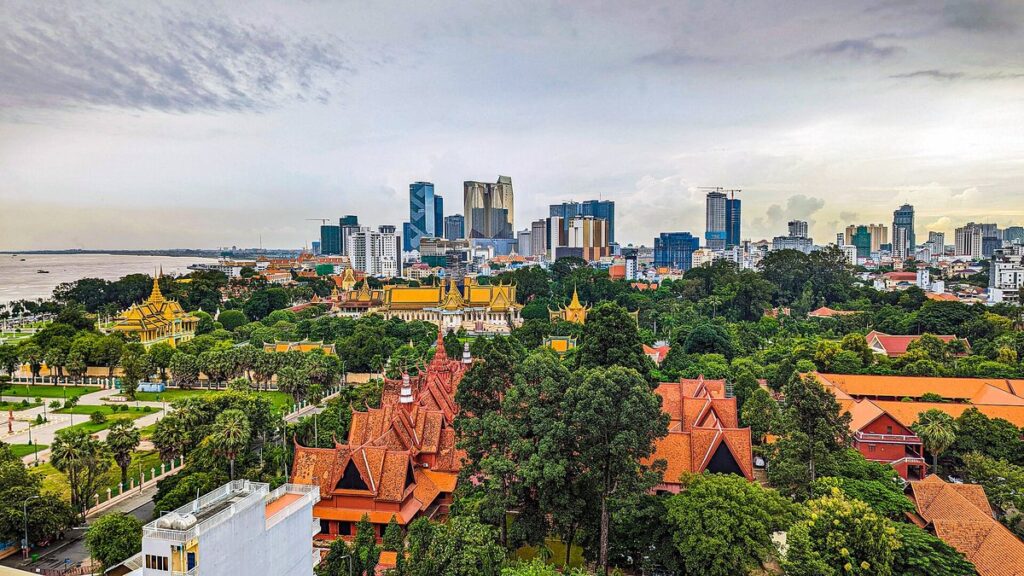
Photo: Mao Piseth / Wikimedia Commons (CC BY-SA 4.0)
The International Organization of La Francophonie (OIF) has postponed its election for secretary-general by a year after negotiations among member states failed to produce agreement at the organisation’s 20th summit in Phnom Penh, Cambodia. The decision, announced Monday after several hours of tense discussions, leaves the incumbent in office until November 2027 and delays the choice of the organisation’s leader for the 2027–2030 term.
The election had been scheduled for Monday. Instead, delegates agreed to extend the mandate of Secretary-General Louise Mushikiwabo for another year, allowing her to oversee institutional reforms during Cambodia’s presidency of the summit process. Mushikiwabo will not be eligible to seek another term when the election is held next year, according to Anadolu Agency’s reporting.
The postponement followed a disagreement over how to choose her successor. Several member states backed Romania’s former prime minister Dacian Ciolos as a consensus candidate, while Rwanda maintained its support for Mushikiwabo and called for a vote. The Democratic Republic of the Congo and Mauritania, meanwhile, were prepared to withdraw their candidates if a consensus emerged, but considered keeping them in the contest if the process proceeded to a ballot, Anadolu reported.
The three candidates other than Mushikiwabo remain eligible to contest the delayed election: Ciolos; Juliana Lumumba of the Democratic Republic of the Congo; and Coumba Ba of Mauritania. New candidates may also enter before the vote next year.
The disagreement exposed a procedural and diplomatic impasse. Under rules revised in 2022, the OIF secretary-general is selected by consensus among member states. If agreement cannot be reached, the rules allow the organisation to proceed to a secret ballot decided by a simple majority. Rwanda’s reported call for a vote therefore offered one route out of the deadlock, but the negotiations instead ended with the decision to defer the election.
The positions of the delegations reflected different approaches to resolving the contest. Supporters of Ciolos sought a consensus choice, while Rwanda continued to back Mushikiwabo and favoured putting the question to a vote. DR Congo and Mauritania were willing to withdraw their respective candidates if the states could agree on a single nominee, but were prepared to reconsider that position if a ballot became necessary. Those accounts of the negotiations were reported by Anadolu Agency; the postponement itself was the outcome announced at the summit.
The decision gives the organisation another year before it must settle the succession. It also preserves the candidacies of the three challengers without resolving which, if any, can attract sufficient support across the membership. With new candidates still able to enter, the field for next year’s election is not necessarily closed.
The summit was held in Phnom Penh under the theme “Investing in peace for shared prosperity and lasting stability.” The postponement came against that stated ambition, as member states struggled to reach agreement over the leadership of an organisation built around cooperation among French-speaking countries.
The OIF brings together states and governments connected by the French language and works across political, cultural, educational and development issues. Its secretary-general is the organisation’s principal executive figure, making the appointment an important leadership decision for its members. The choice also carries diplomatic weight because the process requires broad agreement rather than simply a contest between candidates with the largest national or regional backing.
Mushikiwabo’s extended mandate is therefore both a practical response to the impasse and a temporary settlement of the leadership question. She will remain in office through November 2027, with responsibility for overseeing institutional reforms during Cambodia’s summit presidency, but will not be able to use the extension to seek another term.
For now, the election has been delayed rather than decided. Ciolos, Lumumba and Ba remain eligible, additional candidates may emerge, and the rules still provide for consensus first and a secret ballot if agreement fails. The next year will give member states another opportunity to negotiate a common choice — or face again the question of whether to move from consensus to a vote.
Source: Anadolu Agency, reporting from the OIF’s 20th summit in Phnom Penh.
Maya Wilson
World Desk Lead, The Library Media
From The Library — the estate of our family.
Follow Us


