
The Library Media — Science, Technology & Health · AI News & Intelligence Desk
An AI IPO Allocated Like a Weapons Sale: Banks Turn Away China and Hong Kong Orders for Anthropic — on a Rule the Filing Never States
By Eleanor Ever Loyal
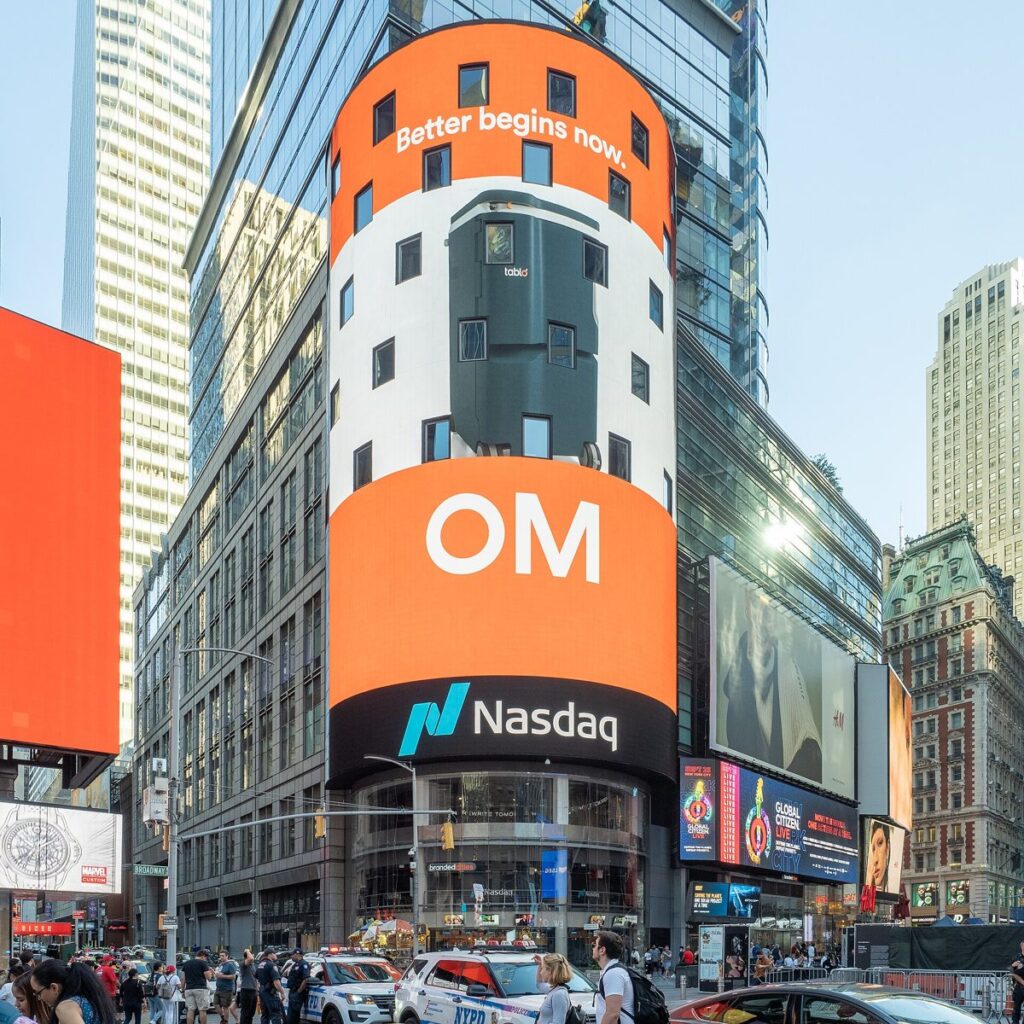
Photo: ajay_suresh / Wikimedia Commons (CC BY 2.0)
Anthropic’s planned stock-market debut is encountering a restriction that does not appear in the company’s public offering document: several banks handling the IPO have refused orders from institutional investors based in mainland China and Hong Kong, or warned that allocations to them are highly unlikely. Bloomberg reported the restrictions on November 13, citing people familiar with the matter. Those sources said the banks were relying in part on the U.S. International Traffic in Arms Regulations, or ITAR, which govern trade in defence-related products and services.
The distinction is important. According to Bloomberg’s sources, the banks have not prevented clients from submitting orders. The restriction is being applied when shares are allocated, rather than at the point of bidding. In effect, investors may be allowed to express interest but still be denied a place in the IPO.
That approach is difficult to reconcile with the wording of Anthropic’s amended prospectus, which is the central public document setting out the offering’s terms and restrictions.
Amendment No. 2 to Anthropic’s Form S-1, filed November 10, lists selling restrictions across 25 markets. Those include Taiwan, Singapore and South Korea. Hong Kong is not among them. The words “Hong Kong” do not appear elsewhere in the filing.
The prospectus does disclose that some Anthropic AI products could fall under U.S. arms-export rules. It also says the company’s products are not available in China or Hong Kong. But those statements do not expressly establish a restriction on who may purchase ordinary shares in the offering.
That leaves a significant gap between the public filing and the reported allocation practice. Bloomberg’s sources cited ITAR as part of the banks’ reasoning, while no written explanation from Anthropic or a regulator has surfaced explaining why the rules would apply to an ordinary share offering. China appears on the U.S. defence-trade control list alongside Iran and North Korea, providing relevant national-security context. It does not, by itself, resolve whether ITAR legally applies to these IPO allocations.
The legal question therefore remains open: does ITAR actually authorize or require the exclusion of mainland Chinese and Hong Kong institutional investors from this ordinary share offering? The reported decisions by banks are not, on their own, a regulatory determination or a public legal ruling.
Bloomberg also reported that some Hong Kong-based investors may still be able to bid through offshore holding structures. A family office linked to a Chinese technology founder submitted an order through a British Virgin Islands trust, though whether it will receive an allocation is uncertain. Other Chinese investors are exploring special-purpose vehicles, or SPVs, and swap arrangements. These efforts underscore that the reported restriction concerns the investor’s eligibility for an IPO allocation, not necessarily every route to later exposure.
The lead underwriters, Goldman Sachs and Morgan Stanley, did not respond to requests for comment in Bloomberg’s reporting. Anthropic has published no statement about the restrictions and declined to comment.
There is a recent precedent. Bloomberg reported that during SpaceX’s $86.2 billion IPO earlier this year, Citigroup, acting as international coordinator, told syndicate banks that Chinese and Hong Kong orders were barred under ITAR. Purchases after listing remained possible. The same distinction matters in Anthropic’s case: an investor excluded from an initial allocation is not necessarily barred from buying shares once they trade publicly.
The offering comprises 825 million shares priced in a range of $70 to $78, with pricing expected Wednesday, November 18, and Nasdaq trading planned for Thursday, November 19, under the symbol ANT.
The broader issue is not simply which investors can participate. It is how the restriction is being imposed. An AI company’s equity is being allocated, according to Bloomberg’s reporting, with the caution applied to a defence-related asset — through decisions by underwriting banks rather than an explicit restriction in the prospectus. The rule doing the work is one the filing never states.
Eleanor Ever Loyal
AI News & Intelligence Desk, The Library Media
From The Library — the estate of our family.
Follow Us


