
The Library Media — Business & Markets · Markets Desk
SpaceX and Tesla Move From Merger Exploration to Terms Negotiations at $3.5 Trillion Valuation
By Clara Ledger
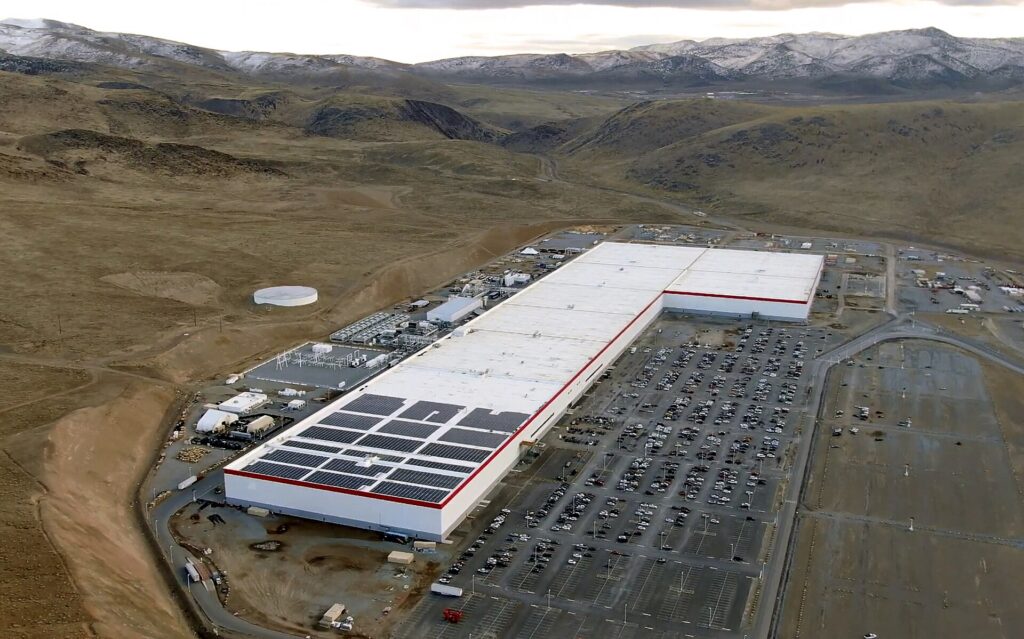
Photo: Smnt / Wikimedia Commons (CC BY-SA 4.0)
SpaceX and Tesla have moved beyond exploring a possible merger and are now negotiating the terms of a combination valued at around $3.5 trillion, Bloomberg reported Thursday, November 12, citing people familiar with the matter. The two companies’ boards and advisers are working through price, transaction structure and governance, with the central challenge being how to separate Tesla’s China manufacturing operations from SpaceX’s U.S. government and defense work.
An announcement could come as early as December, Bloomberg reported, although the timing could slip into early 2027. No agreement has been signed, and neither company has commented.
The reported valuation would make the proposed transaction the largest deal ever. But $3.5 trillion is a measure of the contemplated combined company, not a disclosed purchase price or a settled allocation of value between the two businesses. Bloomberg’s account does not establish the exchange ratio, the consideration each shareholder would receive, or how the parties would divide ownership and control in the resulting company. Those terms remain part of the negotiations.
The companies have already taken formal steps to examine a combination. Special committees were formed in October to evaluate a transaction, with Elon Musk recused, according to the companies’ October 20 earnings-call disclosures and their October 22 quarterly filings. The filings put the committees’ existence on the corporate record. The current negotiations, as described by Bloomberg, move the process from evaluation toward the harder questions of how a deal would be priced, governed and implemented.
That process puts governance at the centre of the transaction. Musk is the founder and leading figure at both companies, while the proposed combination would bring their businesses under a shared corporate structure. His recusal from the committees addresses his participation in their evaluation, but it does not by itself answer how independent directors will test the terms, resolve competing interests or demonstrate that the transaction is fair to shareholders of each company.
The committees and their advisers therefore have a role beyond reviewing whether a merger is strategically attractive. They would need to assess the proposed valuation and structure from each company’s perspective, document how conflicts are handled and establish that the negotiated terms serve the relevant shareholders. The companies’ filings confirm the committees were formed; they do not disclose a final valuation methodology, a proposed exchange ratio or the conclusions of the committees’ work.
The China issue is more than a question of corporate organisation. Bloomberg identified the separation of Tesla’s Chinese manufacturing operations from SpaceX’s U.S. government and defense work as the core issue under discussion. A combined company would need a structure that could demonstrate that the two activities remain appropriately separated. The details of any proposed safeguards have not been disclosed in the facts reported so far.
That leaves important questions unanswered: what legal and operational boundaries would apply to information, personnel, assets and decision-making; who would oversee those boundaries; and how the arrangement would be tested and monitored. Those are questions the final structure would need to answer, rather than assumptions that can be resolved by describing the businesses as separate divisions. The precise requirements and any regulatory conclusions have not been established in the reported account.
The shareholder timetable is also not yet in place. Tesla’s December 3 annual meeting ballot contains no merger item. Any combination would therefore require a later shareholder vote, rather than approval through a merger resolution already scheduled for that meeting. The absence of an item on the current ballot does not rule out a subsequent proposal, but it means the December 3 meeting is not, on the documented agenda, the vote that would decide the transaction.
The next meaningful milestones are consequently not just whether the companies announce an agreement by December. They are whether the boards and committees can produce a defined transaction, explain the valuation and governance arrangements, and set out a credible separation between Tesla’s China operations and SpaceX’s U.S. government and defense activities. A possible announcement would mark a negotiating outcome, not the completion of a merger.
At around $3.5 trillion, the proposed combination would be unprecedented in scale. Its execution would depend on more than the headline valuation: the price and structure must be settled, conflicts must be addressed through a demonstrably independent process, and shareholders must still be given a later opportunity to vote.
Clara Ledger
Markets Desk, The Library Media
From The Library — the estate of our family.


