
The Library Media — National & World · World Desk
By Maya Wilson
Multiple Russian warplanes briefly entered South Korea’s air defense identification zone without prior notice, South Korea’s Joint Chiefs of Staff said, according to an urgent alert published by Yonhap News Agency on Tuesday, November 17, 2026, Seoul time.
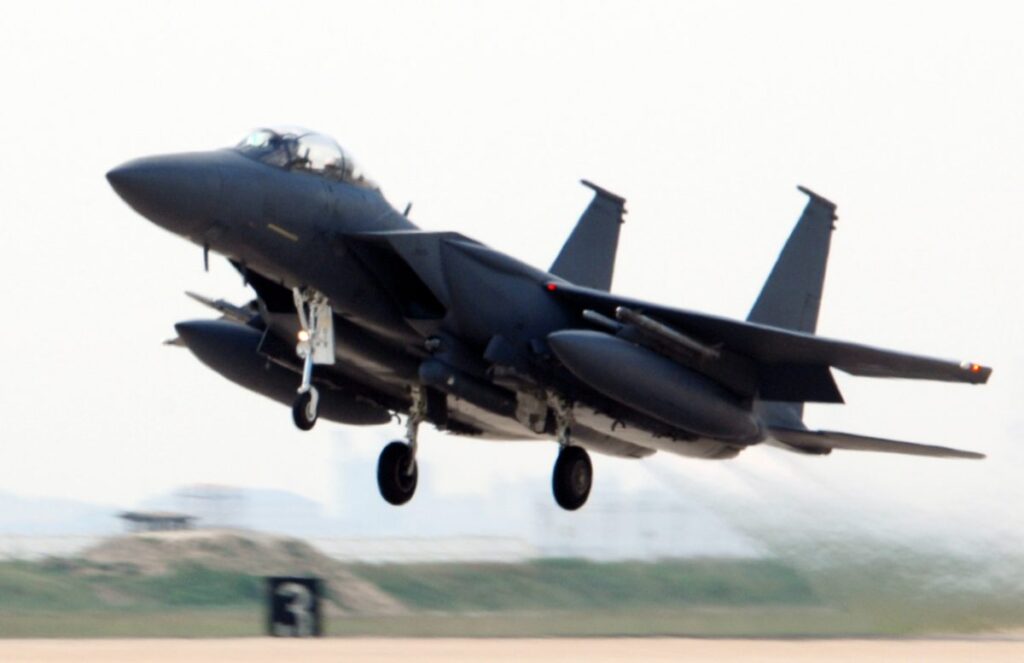
Photo: U.S. Air Force / Senior Airman Gustavo Gonzalez / Wikimedia Commons (public domain)
The alert provided few operational details. It did not specify how many aircraft were involved, identify their types, give the time or location of their entry into the zone, or provide a more precise account of how long they remained there. The JCS response has not been detailed in the information carried by Yonhap.
An air defense identification zone, commonly known as an ADIZ, is an area of airspace in which a country asks foreign aircraft to identify themselves. Such a zone is distinct from sovereign territorial airspace. An aircraft entering an ADIZ without prior notice has not, by that fact alone, violated a country’s territorial airspace.
That distinction is important in interpreting the report. The information released so far describes an entry into South Korea’s identification zone without prior notice; it does not establish that Russian aircraft entered South Korean sovereign airspace.
The account rests on the JCS statement as carried by Yonhap. Further details have not yet been released in the alert, and the available information does not establish the aircraft’s mission, route, purpose or any subsequent action by South Korean forces.
The report therefore remains limited to the central point confirmed by the South Korean military: multiple Russian warplanes briefly entered the KADIZ without advance notice. The number and type of aircraft, the precise circumstances and the full response from the JCS remain unknown.
Maya Wilson
World Desk Lead, The Library Media
From The Library — the estate of our family.
Follow Us


